Healthy Intermittent Fasting: A Real Way to Lose Weight After 40
- 15 Jun 2026
- Health Care

Have you ever worked so hard on your diet, counting calories, avoiding sugar, and sweating it out, but still seen no results? You eat “healthy,” you behave, yet the scale won’t budge. You maintain a good routine, dozens of salads, and early bedtimes, but nothing seems to change. If that sounds familiar, you’re not alone. It might be time to try a different approach: intermittent fasting.
What Is Intermittent Fasting?
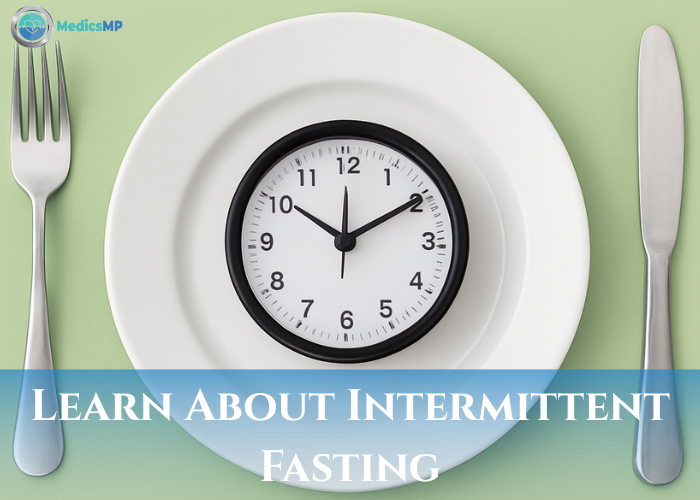
Let’s start with the basics. So, what is intermittent fasting? In simple terms, intermittent fasting (IF) is an eating pattern that cycles between periods of eating and periods of fasting. It’s not about which foods to eat; it’s when you eat.
You might fast for 16 hours and eat during the remaining 8 hours. Or fast for 24 hours twice a week. Some prefer alternate-day fasting. Some fast for 14 hours, some for 18. The idea is to give your body periods where it is not digesting food, which has several metabolic effects: lower insulin levels, enhanced fat burning, cellular repair, and sometimes better hormonal balance.
Intermittent Fasting Meaning in Urdu
To understand and apply IF in a Pakistani or Urdu-speaking context, let’s translate intermittent fasting meaning in Urdu:
Intermittent Fasting کا مطلب ہے وقفے وقفے سے روزہ رکھنا یا بعض اوقات کھانا چھوڑ دینا، مخصوص وقت تک بغیر کچھ کھائے پینا یا کم کھانا، پھر مخصوص کھانے کا دورانیہ۔
یہ طریقہ ہے جس میں کھانے اور نہ کھانے کے اوقات مقرر کیے جاتے ہیں۔ روزہ، وقفہ، اور آرام کے دن شامل ہو سکتے ہیں۔ اس کا مقصد صرف بھوک نہیں، بلکہ جسم کی مرمت، ہارمونز کی بہتری، وزن میں کمی، اور توانائی کی بہتری ہے۔
Before we dive into how intermittent fasting for women over 40 can help, let’s consider why “eat less, move more” often stops working past a certain age.
Slower Metabolism: As you age, muscle mass tends to decline, reducing the resting metabolic rate. You burn fewer calories just to stay alive.
Hormonal Changes: For women, especially during perimenopause and menopause, estrogen levels drop. This affects fat distribution (more belly fat), insulin sensitivity, and hunger cues.
Insulin Resistance: It often creeps up with age, especially if weight gain has occurred.
Less Recovery/Energy: Tiredness, stress, lower sleep quality, all common over 40, can interfere with dieting.
Because of these, you might eat “healthy,” still stick to a calorie goal, but your body is less responsive. That’s when strategies like intermittent fasting can offer an alternative or an addition.
Intermittent Fasting for Women Over 40
Intermittent fasting for women over 40 is not just a weight loss tool, but also a tool for balance: hormonal, metabolic, and mental. Let’s look at how it differs and what special considerations to keep in mind.
Benefits
Improved Insulin Sensitivity: Intermittent fasting can help lower fasting insulin, helping to reduce fat storage.
Hormonal Balance: Some studies suggest fasting may support growth hormone release and help with estrogen balance.
Cellular Repair & Autophagy: Fasting activates processes that remove worn-out cells, which is powerful as the body ages.
Weight Loss and Fat Loss: Especially around the abdomen, a common trouble zone after 40.
Improved Energy, Brain Health: Many report clearer thinking, better mood, and fewer mid-day crashes.
Challenges & Precautions
Don’t Overdo It: Long fasts or very restrictive windows can stress the body.
Watch for Low Energy or Sleep Disturbances: Over 40, recovery is slower.
Hormonal Sensitivity: Some women may experience menstrual irregularities if fasting is too aggressive.
Medical Conditions: Thyroid issues, diabetes, medications—always check with a doctor.
What Is Intermittent Fasting for Weight Loss?
How exactly does the method contribute to shedding pounds? What mechanisms are at play?
Mechanisms
Caloric Reduction (Often Naturally): By skipping breakfast or limiting eating hours, many people naturally eat fewer calories.
Hormone Shifts: Lower insulin, higher norepinephrine, which helps fat breakdown.
Increased Fat Burning: During fasting, after glycogen stores are used up, the body switches to burning fat.
Improved Metabolism Efficiency: Fasting can increase levels of human growth hormone (HGH), which helps preserve lean muscle and assist fat loss.
Autophagy and Cellular Repair: Helps renewal of cells, reduces inflammation, and better metabolic health.
Practical Tips: Healthy Intermittent Fasting
To do this the healthy way, where you still eat healthy, maintain routine, and feel humanized, here are practical suggestions:
Plan Your Eating Window
Choose a window that fits your life: 10 AM-6 PM, 12-8 PM, whatever works.Hydration is Key
Drink water, herbal teas, and black coffee (if you tolerate it). No sugary drinks during fasting.Quality Above Quantity
During eating windows, focus on lean proteins, whole grains, fiber, and healthy fats. Avoid empty calories that spike insulin.Keep Moving
Gentle cardio, walking, stretching. Strength training to preserve muscle.Sleep & Stress Management
Good sleep supports hormonal health. Stress increases cortisol, which can derail weight loss.Mindful Eating
When you break fast, eat slowly. Enjoy flavors. Don’t overcompensate by overeating.Monitor Your Body’s Feedback
Hunger, energy, mood, and menstrual cycle. Adjust as needed.Disclaimer: This content is for informational purposes only and is not medical advice. Consult your doctor before starting intermittent fasting or any new diet plan.