Sepsis Guide: Causes and Symptoms
- 02 Oct 2025
- Health Care

Sepsis is one of the most serious medical conditions in the world, but it is often misunderstood. Many people confuse it with a simple fever or infection, not realizing that it can quickly turn fatal if untreated. In Pakistan and other developing countries, a lack of awareness often worsens outcomes.
This article explains sepsis, covering maternal and newborn infections such as puerperal sepsis and neonatal and also sepsis meaning in Urdu.
Sepsis Meaning in Urdu
The meaning in Urdu is:
خون کا انفیکشن (Khoon ka Infection)
Sometimes described as: "ایک ایسا انفیکشن جو پورے جسم کو متاثر کرتا ہے" (an infection that spreads throughout the body).
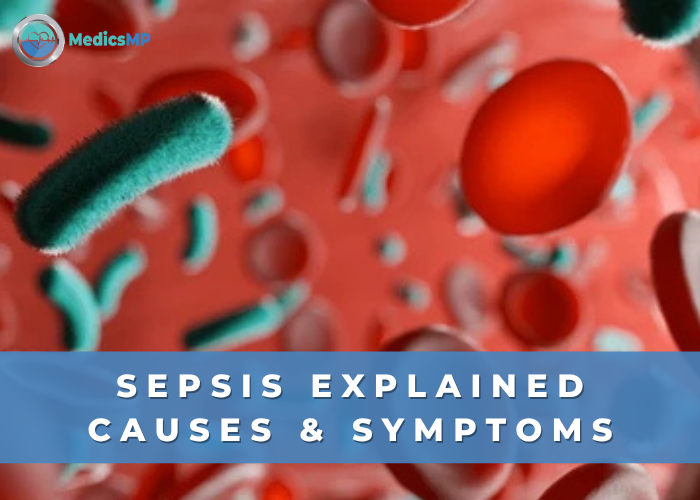
In medical terms, sepsis is the body’s extreme response to an infection. Instead of fighting only the germs, the body’s immune system starts attacking its own organs and tissues. This leads to inflammation, organ damage, and even death if untreated.
Sepsis is a dangerous infection that spreads in the blood and organs, often life-threatening.
How Does Sepsis Happen?
Sepsis can start from something as small as a skin infection, dental problem, urinary tract infection (UTI), or pneumonia. When bacteria, fungi, or viruses enter the bloodstream, the immune system goes into “overdrive.”
Instead of only targeting the infection, the immune response damages healthy tissues. Blood pressure drops, oxygen supply is reduced, and vital organs such as the kidneys, lungs, and heart begin to fail.
Quick Answer: Is Sepsis Always Fatal?
No, sepsis is not always fatal, but it becomes deadly if not treated early. Immediate treatment with antibiotics and intensive care can save lives.
Stages of Sepsis
Sepsis progresses in stages, each one more dangerous than the last:
Sepsis (Early Stage): High fever, rapid heartbeat, confusion, and weakness.
Severe Sepsis: Organ dysfunction begins (kidneys, lungs, or heart affected).
Septic Shock: Critically low blood pressure and multiple organ failure. This stage often leads to death if untreated.
Types of Sepsis
1. Puerperal Sepsis
Puerperal sepsis, also called postpartum infection, happens in women after childbirth, miscarriage, or abortion. It usually starts in the uterus and spreads to the bloodstream.
Puerperal sepsis causes include:
Poor hygiene during delivery
Retained placenta or tissue in the uterus
Prolonged labor or excessive vaginal examinations
Unsterile instruments used during delivery
Weak maternal immunity
Symptoms of Puerperal Sepsis:
High fever after delivery
Severe abdominal pain
Foul-smelling vaginal discharge
Rapid heart rate and weakness
If untreated, puerperal sepsis can spread to the blood and cause septic shock, which is life-threatening.
2. Neonatal Sepsis
Neonatal sepsis occurs in newborn babies, usually within the first 28 days of life. It can be early-onset (within 72 hours of birth, often due to infection from the mother) or late-onset (after 72 hours, often due to environmental exposure).
Neonatal sepsis causes include:
Infection passed from the mother during delivery
Premature birth (weaker immune system)
Poor hygiene during delivery
Use of contaminated medical equipment
Exposure to hospital-acquired infections
Symptoms of Neonatal Sepsis:
Fever or abnormally low body temperature
Breathing problems
Poor feeding or refusal to feed
Extreme sleepiness or irritability
Seizures (in severe cases)
Symptoms of Sepsis You Shouldn’t Ignore
Fever or very low body temperature
Shivering, chills, or sweating
Confusion or disorientation
Rapid heartbeat and breathing
Extreme fatigue or weakness
Reduced urine output (kidney function decline)
Blotchy or discolored skin
If you notice these symptoms after an infection, childbirth, or in a newborn, seek emergency medical help immediately.
How Long Does It Take to Die from Sepsis?
The answer depends on the stage of sepsis and how quickly treatment begins.
In mild sepsis, patients may survive if treated within hours to a day.
In severe sepsis, organ failure can begin within 24–48 hours if untreated.
In septic shock, death can occur within 12–24 hours without medical care.
Sepsis can kill within a day if untreated. Immediate hospital care is essential.
Final Thoughts
Sepsis is not just “an infection.” It is a dangerous condition that can affect anyone, especially mothers and newborns. By being aware of puerperal sepsis causes and neonatal sepsis causes, and recognizing symptoms early, countless lives can be saved.
Awareness, prevention, and rapid treatment are the only ways to fight this silent killer.