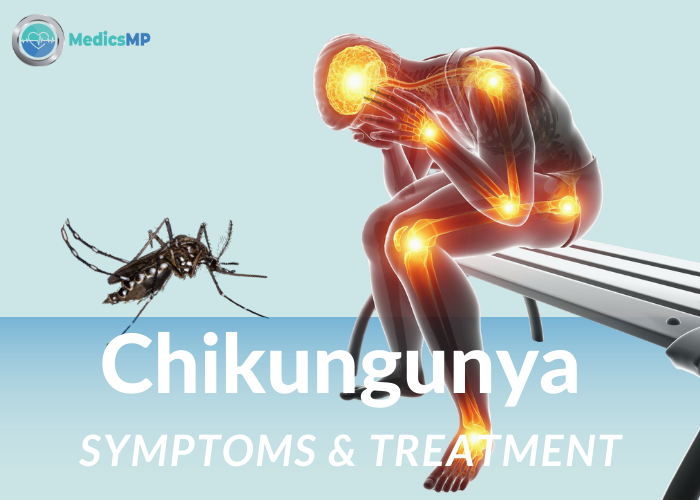
Chikungunya Symptoms & Treatment
- 07 May 2025
- Health Care

Chikungunya is a viral infection transmitted by mosquitoes, primarily the Aedes aegypti and Aedes albopictus species. The name “chikungunya” originates from the Makonde language of East Africa, meaning "that which bends up," referring to the stooped posture of those suffering from severe joint pain. This disease has become a concern in tropical and subtropical regions worldwide. This blog will discuss what chikungunya is, its symptoms, treatment options, and whether it is contagious.
What is Chikungunya?
Chikungunya is caused by the chikungunya virus, which is spread by infected mosquitoes. The virus typically causes fever, joint pain, and rash; while it can be debilitating, it is rarely fatal. Since its discovery, outbreaks have been reported in Africa, Asia, Europe, and the Americas. The virus thrives in areas with high mosquito activity, particularly in areas with stagnant water.
Chikungunya Virus Symptoms
The most common chikungunya virus symptoms include sudden fever, severe joint pain, headaches, muscle pain, joint swelling, and rash. The joint pain can be intense and last for weeks or even months in some cases. It often affects the hands, wrists, ankles, and feet, leading to difficulty in movement. While the fever usually lasts for about 2-3 days, the joint pain can persist long after the fever has subsided. Other chikungunya symptoms include:
Skin rash: A red, patchy rash can develop a few days after the fever begins, often spreading across the trunk, limbs, and face.
Headache, muscle pain, and fatigue: These can accompany the primary symptoms and contribute to overall discomfort.
Chikungunya Treatment
Currently, there is no specific antiviral treatment for chikungunya. The focus of chikungunya treatment is on relieving symptoms. Over-the-counter pain relievers may be used to manage fever and pain. Rest, fluids, and joint care are also crucial to recovery. For severe cases, a doctor may recommend other medications to help reduce inflammation. Chikungunya joint pain treatment specifically involves reducing swelling and helping to regain mobility through physiotherapy or other therapeutic techniques.
Chikungunya Joint Pain Treatment
The joint pain associated with chikungunya can be severe and debilitating. In addition to medications, physical therapy and other joint care strategies can help manage long-term pain. Anti-inflammatory medications are often prescribed to reduce swelling, while hot or cold compresses may offer relief. For those suffering from prolonged joint pain, a healthcare provider might suggest rehabilitation exercises to maintain joint function.
Is Chikungunya Contagious?
Chikungunya is not directly contagious between people. It is transmitted by mosquitoes that have bitten an infected person and then transmit the virus to others through their bites. This means that while you cannot get chikungunya through casual contact, it is important to protect yourself from mosquito bites, especially during outbreaks. Eliminating mosquito breeding grounds, such as standing water around homes, can help prevent the spread of chikungunya.
Prevention and Protection
The best way to prevent chikungunya is by protecting yourself from mosquito bites. This includes wearing long-sleeved clothing, using mosquito repellents, and sleeping under mosquito nets if necessary. Reducing mosquito breeding sites, such as eliminating stagnant water in containers, can help reduce the spread of the virus.
Chikungunya Test
To confirm a case of chikungunya, a chikungunya test is recommended. This usually involves:
Blood tests such as RT-PCR (Reverse Transcriptase–Polymerase Chain Reaction), which detect viral RNA in the early phase of infection.
Serological tests (like ELISA) to detect antibodies (IgM and IgG) in later stages.
Final Thoughts
Chikungunya is a serious illness that can cause lasting pain and discomfort due to joint inflammation. While there is no specific cure, symptoms can be managed effectively with the right treatment. Always consult your healthcare provider for personalized care, especially if you experience chikungunya symptoms like fever and joint pain.
Disclaimer: The information provided in this blog is for informational purposes only. Always consult with a healthcare professional for diagnosis and treatment options.
For expert advice on chikungunya symptoms and treatment, please consult the doctor at Medics MP.