Eye Flu: Causes, Symptoms & Effective Treatment
- 18 Jun 2025
- Health Care

Struggling with red, itchy, or watery eyes? It could be eye flu. In this detailed guide, we’ll explore what eye flu is, its symptoms, causes, treatment options, and whether it’s dangerous. You’ll also find helpful tips for eye flu treatment at home, how to prevent it, and answers to common questions.
What is Eye Flu?
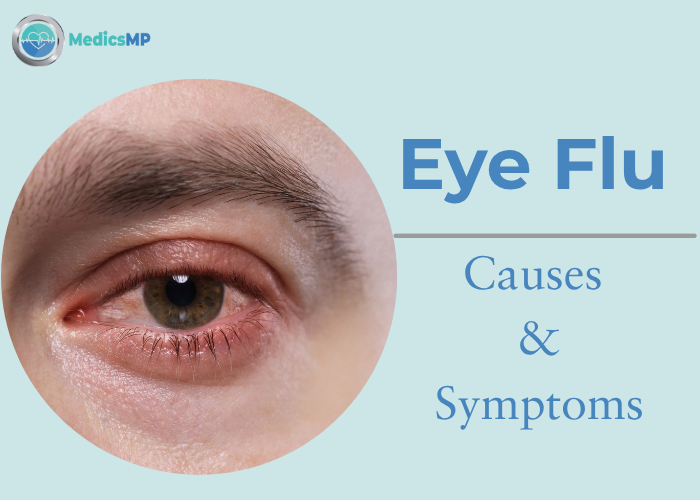
Eye flu, also known as viral conjunctivitis, is an eye infection that causes inflammation of the thin transparent layer (conjunctiva) covering the white part of the eye and the inner eyelids.
It’s commonly caused by viruses, but can also result from bacteria, allergens, or irritants like smoke or dust. This condition is highly contagious and often spreads rapidly, especially during the monsoon season or outbreaks in schools and offices.
Eye Flu Symptoms
Knowing the symptoms of eye flu can help you take quick action. Here’s what to look for:
Common Symptoms of Eye Flu
Redness in one or both eyes
Watery or sticky discharge
Itchy or burning sensation
Swollen eyelids
Gritty feeling in the eyes
Increased sensitivity to light (photophobia)
Excessive tearing
Blurred vision (temporary)
Quick Answer: The most common eye flu symptoms include redness, discharge, itchiness, and watery eyes.
What Causes Eye Flu?
Understanding the eye flu causes can help in prevention and early detection.
Major Causes Include:
Viral infections (most common)
Bacterial infections
Allergies (pollen, dust, pet dander)
Exposure to irritants (smoke, chemicals)
Sharing personal items like towels or makeup
Swimming in contaminated water
Eye Flu Treatment Options
Treatment depends on the underlying cause:
1. Viral Eye Flu
Usually self-limiting
Cold compresses to reduce irritation
Lubricating eye drops
Antiviral medication (in rare cases)
2. Bacterial Eye Flu
Prescribed antibiotic eye drops or ointments
Warm compress to loosen the crust
3. Allergic Conjunctivitis
Antihistamine drops
Avoid allergens
Artificial tears
Note: Always consult an eye specialist before starting any eye medication.
Eye Flu Treatment at Home
For mild cases, eye flu treatment at home can be effective. Here are some safe remedies:
Home Remedies for Eye Flu
Cold Compress: Reduces swelling and discomfort.
Saline Rinse: Flushes out irritants (use sterile saline only).
Chamomile Tea Bags: Soothes itchy eyes (use cooled tea bags).
Coconut Oil (external use only): Has anti-inflammatory properties.
Avoid Screens: Reduce strain on infected eyes.
Pro Tip: Don’t use rose water, raw milk, or non-sterile items as these may worsen the infection.
How to Prevent Eye Flu
Prevention is better than a cure, especially for a contagious condition like eye flu.
Prevention Tips:
Don’t share towels, pillows, or cosmetics
Avoid touching or rubbing your eyes
Wash hands frequently
Disinfect surfaces regularly
Change pillowcases and handkerchiefs daily
Wear protective glasses when exposed to dust or pollutants
Use hand sanitizer when soap isn’t available
Final Thoughts
Eye flu may seem harmless, but it requires proper care to avoid complications or spreading it to others. Whether caused by a virus, bacteria, or allergens, identifying the eye flu symptoms early and seeking the right eye flu treatment can make a big difference.
By following hygiene practices and using simple eye flu treatment at home, most people can recover quickly and comfortably.