Knee Pain: Guide to Causes, Symptoms, Prevention & Treatment
- 24 Jun 2025
- Health Care

Why This Matters
“Knee pain” is one of the top 10 musculoskeletal search terms worldwide, and in Pakistan, it ranks in the top five orthopaedic queries on Google Trends. Whether you’re an athlete, a busy professional, or a retiree, understanding knee pain early can spare you from long-term disability and costly surgery.
Understanding Knee Anatomy
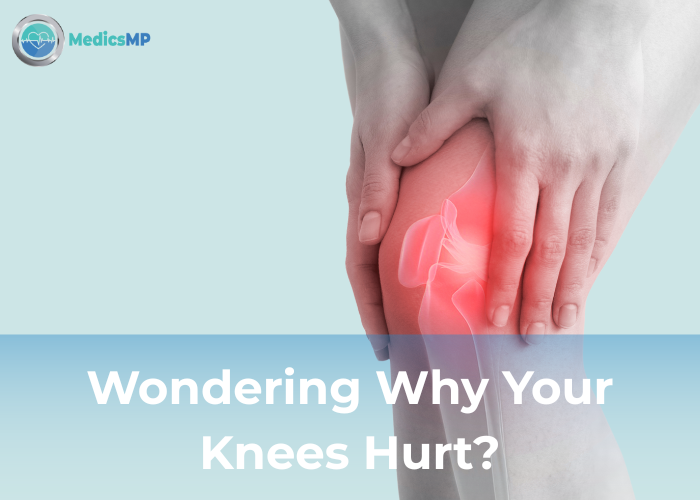
Your knee is not a simple hinge. It is a complex synovial joint where the femur, tibia, fibula, and patella interlock with support from four main ligaments (ACL, PCL, MCL, LCL), shock-absorbing menisci, and more than a dozen bursae. When even one structure malfunctions, pain and instability follow.
Top Causes of Knee Pain
Insight: Vitamin D deficiency is widespread in South Asia, weakens peri-articular muscles, and may accelerate degenerative knee changes. Screen and supplement accordingly.
Typical Symptoms
Sharp, dull, or burning knee pain
Swelling (puffy or boggy feel)
Morning stiffness lasting > 30 minutes (inflammatory)
Clicking, popping, or grinding sounds (crepitus)
Giving way or a buckling sensation
Limited range of motion or inability to fully kneel or squat
Seek urgent medical review if you notice fever, redness, or sudden inability to bear weight.
How Doctors Diagnose Knee Pain
Clinical History & Physical Exam – special tests (Lachman, McMurray) reveal ligament or meniscus damage.
Imaging
X-ray – quick screen for fractures or osteoarthritis staging.
MRI – gold standard for soft-tissue injuries (ACL, meniscus).
Musculoskeletal Ultrasound – dynamic assessment of effusions or bursitis.
Lab Tests
ESR/CRP and Rheumatoid Factor for inflammatory arthritis.
Joint aspiration for crystal analysis or culture.
Evidence-Based Treatments
Rule of Thumb: Always start with the least invasive option first.
Conservative Care (First 6–12 weeks)
RICE (Rest, Ice, Compression, Elevation)
NSAIDs / Acetaminophen – short courses for pain & inflammation.
Physiotherapy – quadriceps & hip-abductor strengthening reduces patellofemoral stress. AAOS knee-conditioning protocols are a proven template.
Kinesiologic Taping & Bracing – unload specific compartments.
Weight Management – losing 5 kg can slash knee load by up to 20 kg per step.
Interventional Options
Corticosteroid or Hyaluronic Acid Injections – rapid pain relief (4–12 weeks).
Platelet-Rich Plasma (PRP) – emerging option for early degenerative changes; more robust evidence is still needed.
Radiofrequency Ablation – for chronic pain unresponsive to injections.
Surgical Solutions
Arthroscopy – meniscus repair, cartilage micro-fracture, or plica resection.
Ligament Reconstruction (e.g., ACL) – restores stability in high-demand knees.
Partial or Total Knee Replacement – reserved for end-stage arthritis with functional limitation.
Lifestyle & Prevention Tips
Key Takeaways
Early diagnosis is critical—delaying care doubles the risk of chronic pain.
Holistic management—exercise, diet, and biomechanical corrections work synergistically.
Personalized treatment—no two knees (or patients) are identical; follow a tailored plan.
Our specialists combine state-of-the-art imaging, minimally invasive procedures, and customized rehabilitation plans under one roof. Book an appointment at Medics MP today and walk pain-free tomorrow!
Disclaimer: This article is for educational purposes only. It is not a substitute for a consultation with a qualified medical professional. Always seek medical advice for diagnosis and treatment.