Melon Seeds: Nutrition, Benefits, and Uses
- 25 Jun 2025
- Health Care

Melon seeds are the tiny, often overlooked kernels found inside melons such as watermelons, cantaloupes, and honeydews. While many people discard them, these seeds are nutrient-dense powerhouses packed with health benefits. From supporting heart health to boosting immunity, melon seeds deserve a place in your daily diet.
In this blog, we’ll explore everything about melon seeds, including their benefits, nutritional value, uses, and how to consume them effectively.
What Are Melon Seeds?
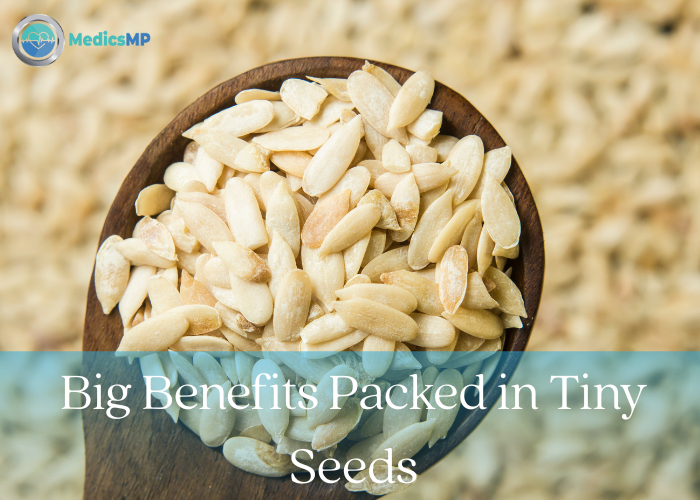
Melon seeds refer to the edible seeds of various types of melons, most commonly watermelons, cantaloupes, and muskmelons. These seeds can be eaten raw, roasted, or soaked and are a common ingredient in traditional medicines and cuisines around the world.
Common Types of Melon Seeds:
Watermelon seeds (most widely consumed)
Cantaloupe (kharbooza) seeds
Honeydew melon seeds
Melon Seeds in Urdu (تربوز کے بیج)
Melon seeds are known as تربوز کے بیج in Urdu. In traditional Unani and Ayurvedic medicine, these seeds are believed to strengthen the heart, cool the body, and nourish the kidneys. They're commonly used in desi totkas (home remedies) for boosting immunity and managing fatigue.
Nutritional Value of Melon Seeds
Melon seeds are nutrient-dense and offer an impressive profile of vitamins and minerals. Here's a quick breakdown of the key nutrients:
Quick Tip: Roasting enhances the flavor of melon seeds without compromising their nutritional value.
Melon Seeds Benefits
1. Heart Health Support
Melon seeds are rich in magnesium, a key mineral that helps regulate blood pressure and maintain a steady heart rhythm. Their healthy fats, especially omega-6 fatty acids, also help reduce bad cholesterol (LDL).
2. Rich Source of Protein
These tiny seeds contain a high amount of plant-based protein, making them ideal for vegetarians and vegans. They support muscle growth, tissue repair, and overall energy production.
3. Boosts Immunity
Thanks to their zinc and iron content, melon seeds enhance immune function and help the body fight off infections.
4. Supports Digestive Health
The fiber in melon seeds aids digestion, prevents constipation, and supports gut health.
5. Good for Skin and Hair
Melon seeds contain Vitamin E, essential fatty acids, and antioxidants that promote glowing skin, reduce acne, and strengthen hair follicles.
Benefits of Melon Seeds for Women
Hormonal Balance: High magnesium and zinc support reproductive health and may help ease PMS symptoms.
Skin Health: Antioxidants and healthy fats keep the skin youthful and hydrated.
Bone Strength: Rich in calcium and phosphorus—especially beneficial post-menopause.
Watermelon Seeds Benefits
Watermelon seeds, a popular variety of melon seeds, have specific benefits that stand out. Improves metabolism through high levels of B vitamins, promotes bone health due to calcium and magnesium content, aids in managing diabetes by improving insulin sensitivity, and enhances male fertility due to its zinc concentration.
Pro Tip: Soak or sprout watermelon seeds before eating to increase nutrient absorption.
How to Eat Melon Seeds
You can consume melon seeds in various forms:
1. Raw or Soaked
Rinse thoroughly and soak for 6–8 hours.
Eat them as-is or sprinkle them on salads.
2. Roasted
Roast in an oven or pan with a pinch of salt.
Store in an airtight container for a healthy snack.
3. Ground into Powder
Use in smoothies, soups, or sprinkle on yogurt.
Often found in traditional "panjeeri" or postpartum recipes.
4. Melon Seeds Oil
Cold-pressed oil is used for skin, hair, and cooking purposes.
Final Thoughts
From being a protein-rich snack to a powerhouse of essential minerals, melon seeds are a hidden superfood. They are versatile, affordable, and easy to incorporate into your diet. Melon seeds are worth exploring whether you want to boost your energy levels, improve your skin, or simply enjoy a healthy snack.
Disclaimer: This blog is for informational purposes only and does not substitute professional medical advice, diagnosis, or treatment. Always consult with a licensed healthcare provider regarding any medical condition.