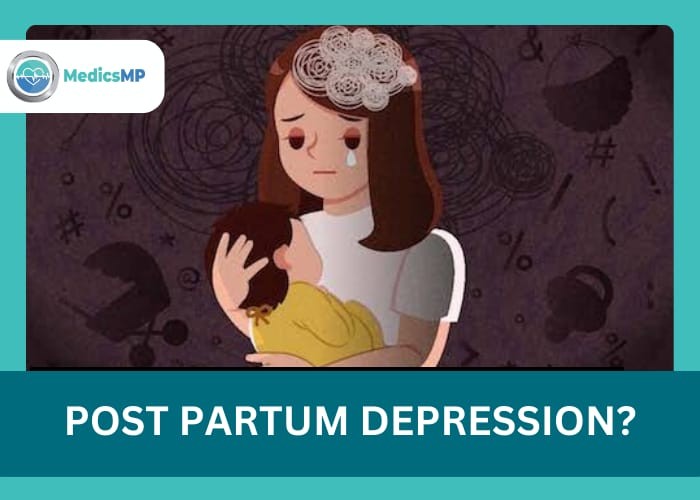
Postpartum Depression or Baby blues
- 26 Nov 2024
- Health Care

Bringing a baby into the world is an exhilarating experience, filled with a range of emotions from joy to anxiety.
While most new moms experience what is commonly known as "baby blues," some may develop a more severe and prolonged condition called postpartum depression (PPD).
Postpartum depression is not a character flaw or weakness but rather a complication that can occur after giving birth.
It is essential to recognize the symptoms, understand the causes, and seek prompt treatment to manage this condition effectively and foster a healthy bond with the baby.
Symptoms of Postpartum Depression
The symptoms of postpartum depression can vary in intensity, ranging from mild to severe.
During the initial days after childbirth, many women experience "baby blues," which include mood swings, anxiety, sadness, irritability, and difficulty sleeping. These symptoms are relatively short-lived and typically last for up to two weeks.
However, some women may develop PPD, characterized by more persistent and intense feelings of depression, lasting beyond the baby blues period.
Signs of postpartum depression may include:
· Persistent feelings of sadness or emptiness
· Extreme mood swings
· Overwhelming anxiety or worry
· Difficulty bonding with the baby
· Loss of interest in activities once enjoyed
· Changes in eating or sleeping patterns
· Fatigue and lack of energy
· Thoughts of self-harm or harming the baby
· Causes of Postpartum Depression
The exact cause of postpartum depression remains unclear, but it is likely a combination of physical, hormonal, social, and psychological factors.
After childbirth, there is a rapid drop in hormone levels, particularly estrogen and progesterone, which might contribute to mood changes. Additionally, the substantial life changes, increased responsibilities, and sleep deprivation associated with caring for a newborn can also play a role in triggering PPD.
Certain risk factors can increase the likelihood of developing postpartum depression, including:
· Previous history of depression or PPD
· Family history of depression or mental illness
· Lack of a strong support system
· High levels of stress or major life changes during pregnancy or after birth
· History of traumatic experiences
· Difficulties in the mother-infant relationship
Treatment of Postpartum Depression
Seeking professional help and support is crucial for managing postpartum depression effectively. If you or someone you know is experiencing symptoms of PPD, reach out to a healthcare provider or a mental health professional for assessment and guidance.
Treatment options for postpartum depression may include:
· Psychotherapy or counseling: Talk therapy can provide a safe space to express feelings, address negative thought patterns, and develop coping strategies.
· Medication: In more severe cases, antidepressant medications may be prescribed to help stabilize mood and alleviate symptoms.
· Support groups: Joining support groups for new moms can offer a sense of belonging and the opportunity to share experiences with others facing similar challenges.
Postpartum depression is a common but serious condition that can affect new mothers after childbirth.
While baby blues are a transient and milder emotional response, postpartum depression requires attention, understanding, and appropriate treatment.
By recognizing the symptoms, understanding the potential causes, and seeking professional help, women experiencing postpartum depression can find support and healing. Remember, it's essential to take care of your mental health to foster a positive and fulfilling relationship with your baby and yourself.