The Mediterranean Diet and how you can make it work
- 01 Oct 2024
- Health Care

The Mediterranean Diet is a healthy diet based on the foods consumed by people living in countries bordering the Mediterranean Sea, including Greece, Italy, France, Turkey and Egypt.
Here’s a brief description of the Mediterranean Diet, why it’s good for you and how you can follow it, without sacrificing too much of your favorite foods.
Why is the diet good for you?
In the 1950s, scientists noticed that people living in these “Mediterranean countries” had a higher life expectancy, as well as a much lower incidence of various heart and brain diseases, strokes, diabetes, and other maladies which tend to develop in people as they age.
This is because the low fat diet is a major factor involved in preventing the buildup of plaque that can lead to heart attacks and other cardiac diseases such as hypertension.
This low-in-processed-sugars diet, as well as the dense nutrients obtained from nuts and seeds are beneficial in preventing diabetes.
Finally, the risk for many neurological disorders, such as Alzheimer’s and dementia, is also reduced by following the diet.
What does the Mediterranean Diet consist of?
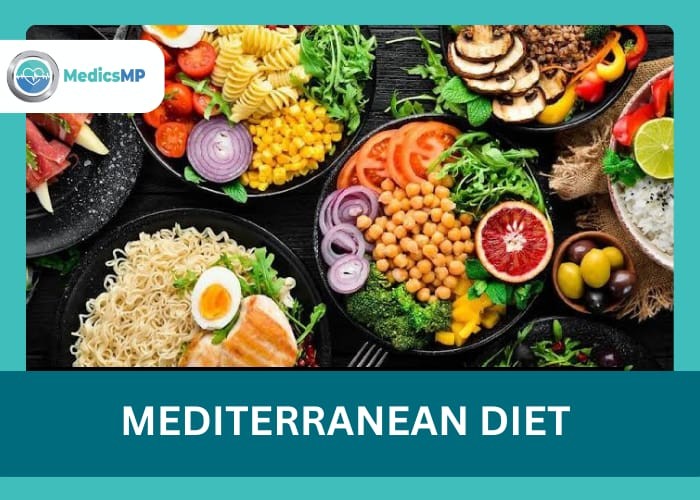
The diet is based on healthy, delicious, plant based foods low in fat and cholesterol. This means avoiding refined sugars, processed meat, and other highly processed foods (yes, that DOES include junk food). Mostly, it means eating lots of fruits and vegetables, and no, vegetables fried in oil with a high fat content do not count. Nuts, seafood (especially fish), potatoes, herbs, whole grains and olive oil are also a pretty integral part of the diet.
Cheese, yogurt and eggs should be eaten in moderation.
Foods you should try to avoid are sweets, red meat, processed sugars, fizzy drinks and other unhealthy, high fat containing processed foods, especially oily foods and fast food.
How to follow the diet?
Now the question remains; how can you incorporate this diet into your daily life?
· First of all, you don’t need to follow it too strictly. This diet is simply a way of improving your long term health, so a few cheat meals are nothing too worrisome (eat at your own risk though).
· Secondly, you don’t need to make sudden, drastic changes in your diet. You could start by cooking your meals in olive oil instead of oils high in trans fats. Now, not everyone can afford olive oil as a substitute in everything they cook, so you can use it sometimes, when its convenient; meanwhile, try to look for other oils low in trans fats and containing a greater amount of polyunsaturated fats.
· Instead of obtaining your carbohydrates from white bread and pasta, you could use whole grain bread. It’s much healthier and quite tasty too.
· You could also switch your snacks from a packet of chips or a plate of fries to fruits and vegetables. Make it tastier by eating them with condiments such as hummus or ranch or in a well-seasoned salad. Avoid fried foods, but again, a cheat meal once in a while won’t hurt as long as you don’t make it a habit.
· Replace red meat with fish and other seafood, but make sure you don’t completely eliminate protein from your diet.
· Satisfy your sweet tooth with fruits, or some dark chocolate (in moderation of course).
In conclusion, The Mediterranean Diet is a highly beneficial diet which protects against various diseases which have now become almost inevitable with old age, and the best part is, it isn’t even too difficult to follow.